















Complete Guide to Magisk Modules & Systemless Android Customization (2026 Edition)
Magisk modules are packaged zip archives that alter Android system properties, audio hardware drivers, UI frameworks, and security parameters at runtime without permanently writing to the read-only /system partition. Powered by Magic Mount and modern overlayfs architecture, systemless modules enable root users to pass Google Play Integrity checks, maintain seamless Over-The-Air (OTA) updates, and customize their devices safely without risking permanent bricking.
Since Google introduced Android 10 with dynamic partitions and Project Treble, traditional direct modification of system partitions has become impractical. Read-only file systems (EROFS) and strict dm-verity cryptographic verification prevent runtime write access. Magisk solves this by shifting all modifications to user-space overlays and memory mounts during the early boot sequence.
How Systemless Root Works: Magic Mount and Zygisk Architecture
To understand why Magisk modules are reliable and reversible, it is crucial to examine the underlying execution pipeline: boot image patching, Magic Mount file shadowing, and Zygisk process injection.
1. Boot Image Patching and Overlay Filesystems
During initial setup, Magisk patches your stock boot.img (or init_boot.img on modern Android 13+ devices) to inject its custom init binary. When the device powers on, Magisk executes before the Android framework initializes. It creates a temporary filesystem (tmpfs) in RAM and mounts module files directly over existing system paths using overlayfs. If a module replaces an audio configuration file located at /system/etc/audio_policy_configuration.xml, the original file remains completely untouched on disk; Magisk simply points the OS read requests to the module's modified version stored safely under /data/adb/modules/.
2. Zygisk: In-Process Modification Without APK Alteration
Introduced in Magisk v24 and refined in Magisk v27, Zygisk (Magisk in Zygote) runs code directly inside the Android Zygote process—the parent process from which all Android applications and system services fork. Because Zygisk resides directly in the memory space of every spawned process, modules can hook APIs, modify runtime behavior, and adjust app environment parameters cleanly without altering compiled APK files. This provides the exact hook capabilities of the legacy Xposed framework while adhering to modern SELinux access policies.
Magisk vs. KernelSU vs. APatch: 2026 Rooting Matrix
While Magisk remains the industry standard, modern Android modding in 2026 also includes kernel-space alternatives like KernelSU and APatch. Here is how they compare across key architectural criteria:
| Feature / Metric | Magisk (v27+) | KernelSU | APatch |
|---|---|---|---|
| Core Architecture | User-space ramdisk patching via init | Kernel-space hooks integrated into Linux Kernel (GKI) | Kernel-space patch via Kallsyms pointer interception |
| Android Compatibility | Android 5.0 through Android 15+ | GKI Devices running Linux Kernel 5.10+ | Devices with Linux Kernel 3.18 through 6.x |
| Root Detection Profile | Requires Zygisk DenyList + Shamiko | Native kernel-level stealth; zero user-space footprints | Kernel-level stealth; root isolated per app UID |
| Module Compatibility | Native Magisk zip standard | Supports Magisk-style modules via Built-in Manager | Supports APM & Magisk-style modules natively |
| OTA Update Ease | Restore stock images & install to inactive slot | Kernel flash or kernel manager restore | Kernel restore or boot slot toggle |
Essential Magisk Module Categories in 2026
The Magisk Modules Repository offers hundreds of specialized modules. Below are the most essential categories and flagship tools tested by the community:
1. Audio Enhancement Engines
Modern mobile operating systems compress and equalize audio for basic phone speakers. Modules like ViPER4Android FX and Dolby Atmos inject low-latency DSP drivers directly into Android's audio HAL. Users gain access to 32-bit floating-point audio processing, Impulse Response Sample (IRS) convolvers, analog headphone field modeling, and high-frequency dynamic bass restoration.
2. Google Play Integrity & Root Hiding
Banking applications, Google Wallet, streaming platforms, and enterprise tools rely on the Google Play Integrity API to detect unlocked bootloaders and su binaries. The Play Integrity Fix module spoofs valid Google-certified device fingerprints to restore MEETS_BASIC_INTEGRITY and MEETS_DEVICE_INTEGRITY. Paired with Shamiko, which enforces whiteout root hiding across Zygote processes, users can operate banking and corporate apps seamlessly on rooted firmware.
3. Runtime App Hooking & Interface Tweaks
LSPosed Zygisk serves as the modern successor to the Xposed Framework. By running through Zygisk, LSPosed allows you to load specialized micro-modules to customize status bar icons, disable screenshot restrictions in secure apps, bypass app signatures, and customize navigation gestures without touching device APKs.
4. System Performance and Ad Blocking
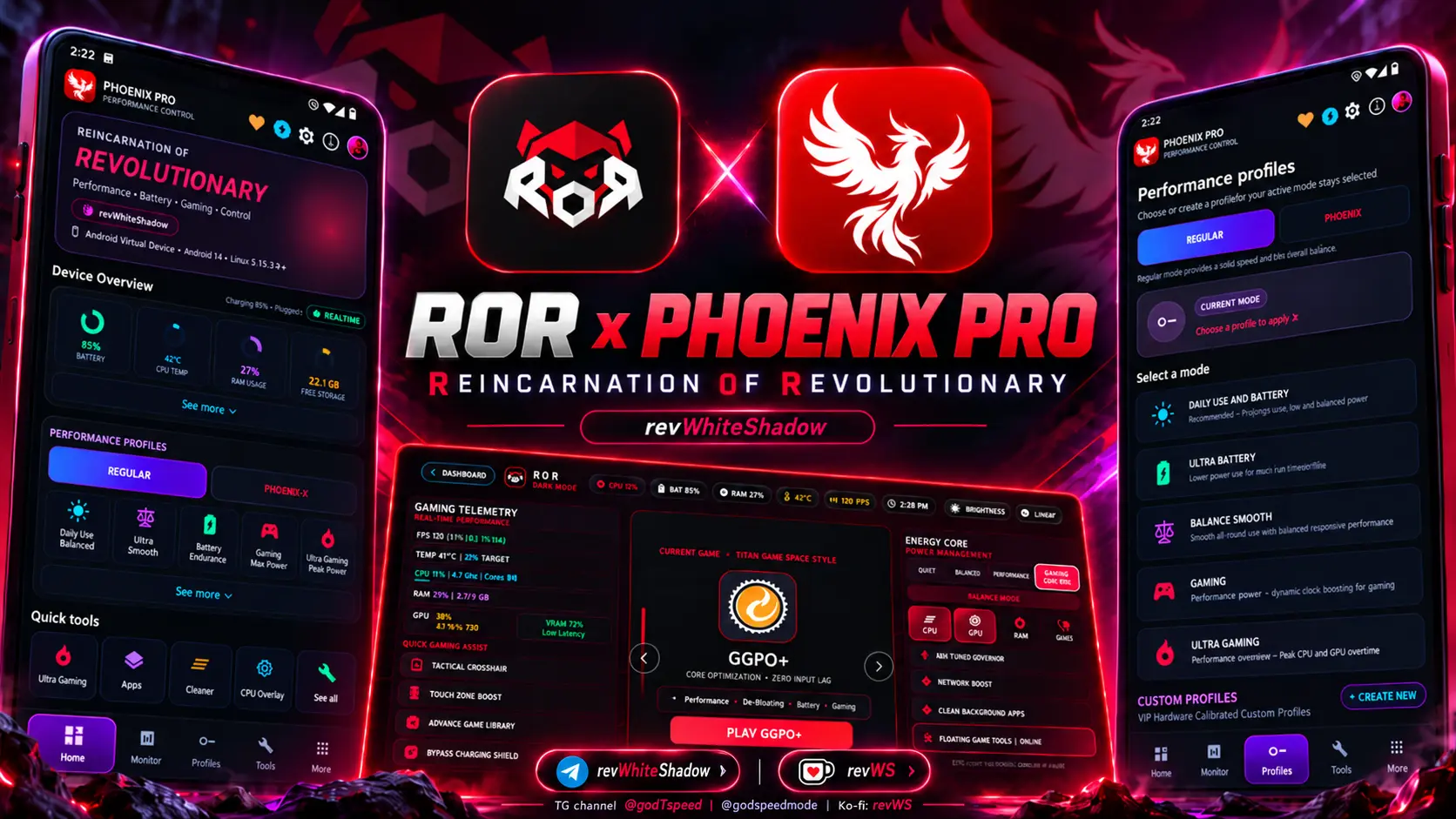
The Systemless Hosts module redirects loopback requests at the OS socket level, enabling system-wide ad and telemetry blocking via AdAway without touching the physical hosts file. Additionally, modules such as Godspeed Mode adjust CPU/GPU governor energy-performance profiles and thermal mitigation parameters for smooth 120 FPS mobile gaming.
How to Safely Install Magisk Modules (Step-by-Step)
Follow this standardized, verified procedure to install any Magisk module without bootloop risks:
- Verify Prerequisites: Ensure your phone has an unlocked bootloader, Magisk v26.0+ (or latest KernelSU/APatch), and at least 50% battery charge.
- Download Verified Module: Download the authentic module
.zippackage directly from the Magisk Modules Repository or the developer's official repository. Never extract the zip file. - Launch Magisk Manager: Open the Magisk app on your device and tap the Modules tab (puzzle piece icon located in the bottom navigation bar).
- Install from Storage: Tap the Install from storage button at the top of the screen. Use your system file picker to select the downloaded module zip.
- Inspect Installation Log: Magisk will unpack the archive, execute the
customize.shinstallation script, configure file permissions, and displayDone!with exit code 0. - Reboot Device: Tap the blue Reboot button in the bottom right corner. Do not skip rebooting, as Magisk requires an init cycle to mount the module overlay.
- Verify Active Status: Once booted, return to Magisk Manager > Modules and confirm the toggle switch next to your module is blue and enabled.
Bootloop Recovery: Safe Mode and Emergency Commands
A bootloop occurs when an incompatible module modifies an essential system service or configuration that crashes the Android framework during startup. If your device fails to boot past the manufacturer logo after installing a module, use these recovery solutions:
Method 1: Magisk Hardware Key Safe Mode
Modern Magisk includes built-in hardware safe mode. While your phone is booting up (right after the bootloader unlocked warning appears and the boot animation starts), press and hold the Volume Down button until the device finishes booting into the lock screen. Magisk detects the keypress, disables all third-party modules automatically, and boots safely. You can then open Magisk Manager and uninstall the incompatible module.
Method 2: Recovery via ADB Shell
If your device has USB debugging authorized, connect it to your PC and run the following terminal commands:
# Command to disable all modules automatically
adb wait-for-device shell "magisk --remove-modules"

# Command to disable a specific problematic module
adb wait-for-device shell "touch /data/adb/modules/[module_name]/disable"
adb reboot
Method 3: Custom Recovery (TWRP / OrangeFox)
If you have a custom recovery installed, boot into recovery, open the built-in File Manager, navigate to /data/adb/modules/, and delete the folder of the module that caused the failure. Reboot your device to resume normal operation.
Frequently Asked Questions About Magisk Modules
Do Magisk modules trip Knox or hardware fuses?
Installing Magisk modules does not trigger additional hardware fuses. However, unlocking your device's bootloader (which is required before installing Magisk) permanently trips the hardware eFuse on Samsung devices (Knox 0x1). Unlocking bootloaders on Google Pixel, Xiaomi, OnePlus, and Motorola devices does not blow physical fuses and can be reverted by flashing factory images and relocking the bootloader.
Can I install Magisk modules on KernelSU or APatch?
Yes. Both KernelSU and APatch feature built-in module managers that support standard Magisk module zip packages. Most systemless modifications, hosts files, and audio mods work interchangeably across all three rooting environments without modification.
How do I update a Magisk module without losing my custom settings?
To update a module, simply download the new zip version and flash it directly over the existing installation using "Install from Storage" in Magisk Manager. Well-designed modules preserve configuration files located in /data/adb/. Reboot after flashing to complete the update.
Why does my banking app still detect root after installing modules?
Modern banking apps check multiple indicators: Play Integrity verdicts, unlocked bootloader props, sensitive mount points, and known package names. To bypass detection, ensure: 1) Magisk app is hidden with a randomized package name; 2) Zygisk is enabled; 3) Shamiko module is installed to enforce stealth hiding; and 4) Play Integrity Fix is active with passing Basic and Device integrity.
Summary & Best Practices
Magisk modules offer an unmatched level of device customization while maintaining system integrity and reversibility. To maintain a smooth, secure Android experience in 2026, always source modules from verified repositories, install modifications incrementally one at a time, and ensure you have familiarized yourself with Magisk Safe Mode before flashing experimental tweaks. Explore our comprehensive module directory in the Magisk Modules Catalog for the latest tested releases.